Systems & rotations · 5 min read
The 6-2: three hitters at the net, every time
Two setters take turns from the back row. Here is the handoff, and what it asks of your roster.
Updated August 28, 2026
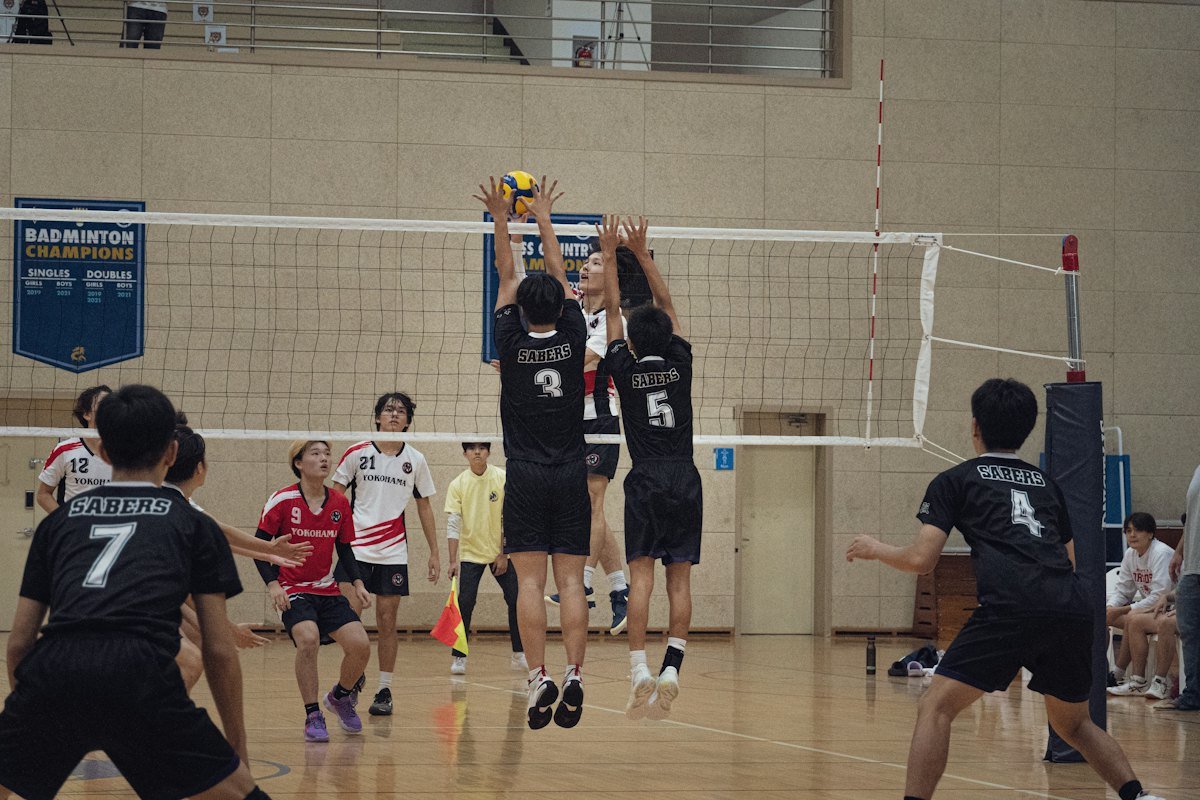
The 6-2 volleyball rotation is a system that keeps three front-row attackers on the court at all times by using two setters who set from the back row. The name "6-2" means six players who can attack and two players who set. The key idea is that whichever setter is in the back row runs the offense, while the other setter is up front playing as a hitter. Because a back-row setter never uses up a front-row spot, all three front-row players are free to attack in every rotation. The result is a balanced, full-strength front line no matter where your team is in the rotation. The live diagrams on this page walk through all six rotations, so you can see exactly where each setter, hitter, and passer stands.
What is a 6-2 in volleyball?
A 6-2 uses two setters positioned opposite each other in the rotation, which means they are always three spots apart. Because of how clockwise rotation works, one setter is always in the front row while the other is always in the back row. In the 6-2, the setter who is in the BACK row does the setting. As the ball is served, that setter moves up toward the net near the right-front (zone 2) to deliver the second ball to a hitter. Coaches call this move penetrating.
Why does this matter? When a setter sets from the back row, that player does not take up a front-row attacking spot. That means all three front-row players can be hitters. So a 6-2 always gives you three front-row attackers, no matter which rotation you are in. That is the single biggest reason coaches choose it.
The other setter, the one currently in the front row, does not set. Instead that player acts as a right-side attacker (also called the opposite), hitting, blocking, and defending the right side like any front-row player. When the team rotates and that player moves to the back row, the roles flip: now that player becomes the setter, and the partner rotates up to hit on the right side. Watch the diagrams to see this hand-off happen as the rotation advances.
How each setter's job changes as they rotate
Follow one setter around the court and that player's job changes every time they cross from front to back. In the three rotations where that setter is in the back row (zones 1, 6, and 5), they run the offense. From those back-row spots the setter releases toward the net near the right-front as the ball is served, then sets the front-row attackers.
In the three rotations where that player is in the front row (zones 4, 3, and 2), they hit, typically on the right side / opposite. During those rotations their setter partner is now in the back row and runs the offense instead.
Because the two setters are always opposite each other, the offense never loses its setter and never loses a front-row attacker. One setter is always handling the ball from the back while three hitters stay up front. The diagrams label who is setting and who is attacking in each of the six rotations, so the switch is easy to follow. Remember that everyone must hold a legal position at the moment of the serve; the setter penetrates to the net only after the ball is contacted.
“A 6-2 always gives you three front-row attackers, no matter which rotation you are in.”
You need two setter-hitters
The catch with a 6-2 is that it asks a lot of two players. Each setter must be a genuine dual threat: a reliable setter when in the back row, and a capable right-side attacker and blocker when rotating to the front. Finding two players who can do both well is the main challenge of running this system.
This is why the 6-2 is often described as an offense that needs depth. If you only have one strong setter, the 5-1 (one setter for all six rotations) is usually the better fit. If you have two athletes who can set and hit, the 6-2 rewards you with a stronger, more balanced attack.
One more note: the two setters do not need to be your two best hitters overall. They just need to be solid enough at the net that opponents cannot ignore them. Their setting quality and consistency matter most, because that is what they do in three of the six rotations.
6-2 vs 5-1: which should you run?
The core difference between 6-2 and 5-1 is how many front-row attackers you have. A 5-1 uses one setter for all six rotations. In the three rotations where that setter is in the front row, the setter takes up an attacking spot, so you only have TWO front-row hitters. A 6-2 keeps the setter in the back row every time, so you always have THREE front-row hitters.
So a 6-2 gives more attacking firepower in what would otherwise be your weakest rotations, because the setter is always penetrating from behind and leaving the front line full. The trade-off is consistency: a 5-1 has one setter running the offense every single play, so timing and chemistry with the hitters are easier to build. A 6-2 switches setters every three rotations, which players must practice to keep the rhythm smooth.
A rough rule of thumb: choose the 5-1 when you have one clearly excellent setter and want offensive consistency. Choose the 6-2 when you have two capable setter-hitters and want maximum attacking options in every rotation. Many teams grow into a 6-2 as their depth improves, or run it before committing to a 5-1 with an elite setter. Compare the base, serve-receive, and switch diagrams on this page against the 5-1 to see the difference in front-row attackers side by side.
Coaching focus: two-setter handoff and roster fit
Write both setters’ names and, for each of the six rotations, who sets and who hits right-side. If either athlete cannot attack when they are front-row, the “always three hitters” promise of a 6-2 is not real for your roster, that comparison is the point of this page.
Practice the handoff once per rotation change: the outgoing setter becomes the right-side attacker; the incoming back-row setter releases to the target. Use the Switch diagram so players see the path, not only the final spots.
Explore each rotation on its own
Frequently asked questions
- What does 6-2 mean in volleyball?
- It means six players who can attack and two setters. Two players share the setting duties, and whichever one is in the back row sets while the other plays as a front-row hitter. Because the setter always sets from the back row, all three front-row players can attack in every rotation.
- Why does the 6-2 always have three front-row hitters?
- Because the setter always sets from the back row. A back-row setter does not occupy a front-row spot, so all three front-row positions are free for attackers. The front-row setter simply plays as a right-side hitter instead of setting.
- Is a 6-2 better than a 5-1?
- Neither is strictly better; it depends on your roster. A 6-2 gives three front-row attackers in every rotation but needs two players who can both set and hit. A 5-1 uses one consistent setter, which builds better timing, but leaves only two front-row hitters in the three rotations where the setter is up front.
- Do both setters set at the same time in a 6-2?
- No. Only one setter sets at a time, the one currently in the back row. The other setter is in the front row playing as a right-side attacker. They swap roles as the team rotates and cross between the back and front rows.
- Is the 6-2 good for youth or beginner teams?
- It can be, but it asks two players to both set and hit, which is demanding. Many beginner teams start with a 4-2, where the front-row setter sets, because it is often the easiest system to teach first. Teams often move to a 6-2 once they have two players comfortable setting and attacking.
Sources, and how the diagrams are drawn
Keep reading
Systems & rotations · 6 min read
The 5-1: one setter, every rotation
How it works, why competitive teams run it, and the one trade-off you accept.
Systems & rotations · 6 min read
The 4-2: the system most teams learn first
Whoever is in the front row sets, so every play looks the same. A simple start that grows into a 5-1 or 6-2.
Systems & rotations · 5 min read
Your setter doesn't have to start in zone 1
What the rules actually require of a starting lineup, and how to choose the rotation you open with.